Bring it in.
PDF, Office, CSV, email, DXF drawings and scans, from a file share, S3 or a URL.
Drop in PDFs, scans and drawings. indx looks at every page, decides how to read it, and hands your search and agents paragraphs, tables and diagrams that keep their page and section. You never pick a parser.
An agent cannot answer from half a sentence. It needs the whole clause, the table row it points to, and the step that comes before an inspection.
Before anything expensive runs, indx scans each page and picks the reader it needs: the text layer when there is one, OCR when the page is a scan, a diagram parser when it recognizes a chart. Nobody configures this per file.
native-extractionScan, read by generic-ocrChart recognized process-chart-parserThree pages indx received. Each one shows how indx chose to read it. Move over any block on the page and the output is what your AI receives for it.
On the table, each cell is its own target. On the chart, try a symbol or a connecting line, then the lists in the output.
native-extractionfallbacks generic-ocr → generic-vlm → manual-review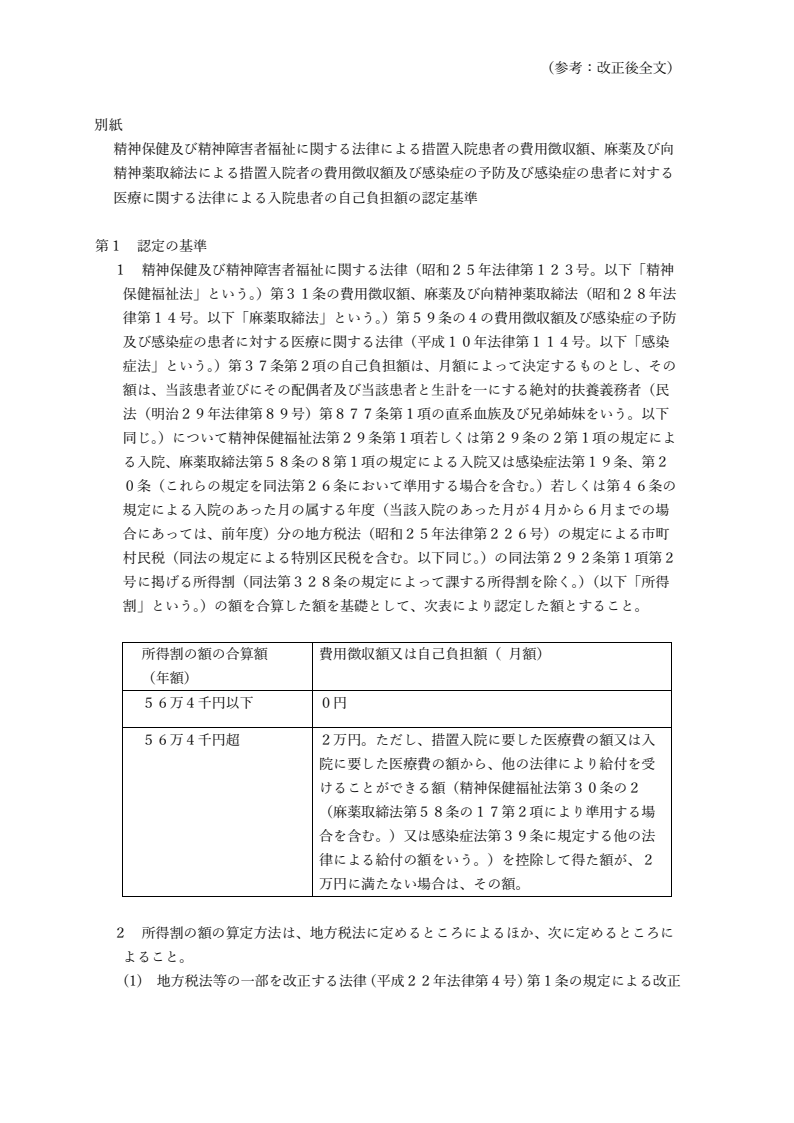
1 精神保健及び精神障害者福祉に関する法律(昭和25年法律第123号。以下「精神保健福祉法」という。)第31条の費用徴収額、麻薬及び向精神薬取締法(昭和28年法律第14号。以下「麻薬取締法」という。)第59条の4の費用徴収額及び感染症の予防及び感染症の患者に対する医療に関する法律(平成10年法律第114号。以下「感染症法」という。)第37条第2項の自己負担額は、月額によって決定するものとし、その額は、当該患者並びにその配偶者及び当該患者と生計を一にする絶対的扶養義務者(民法(明治29年法律第89号)第877条第1項の直系血族及び兄弟姉妹をいう。以下同じ。)について精神保健福祉法第29条第1項若しくは第29条の2第1項の規定による入院、麻薬取締法第58条の8第1項の規定による入院又は感染症法第19条、第20条(これらの規定を同法第26条において準用する場合を含む。)若しくは第46条の規定による入院のあった月の属する年度(当該入院のあった月が4月から6月までの場合にあっては、前年度)分の地方税法(昭和25年法律第226号)の規定による市町村民税(同法の規定による特別区民税を含む。以下同じ。)の同法第292条第1項第2号に掲げる所得割(同法第328条の規定によって課する所得割を除く。)(以下「所得割」という。)の額を合算した額を基礎として、次表により認定した額とすること。
{
  "id": "page:22/p22-para-1",
  "kind": "paragraph",
  "page": 22,
  "bbox": [0.14, 0.227, 0.858, 0.551],
  "section": [
    "別紙",
    "第1 認定の基準",
    "1"
  ],
  "text": "1 精神保健及び精神障害者福祉に関する法律(昭和25年法律第123号。以下「精神保健福祉法」という。)第31条の費用徴収額、麻薬及び向精神薬取締法(昭和28年法律第14号。以下「麻薬取締法」という。)第59条の4の費用徴収額及び感染症の予防及び感染症の患者に対する医療に関する法律(平成10年法律第114号。以下「感染症法」という。)第37条第2項の自己負担額は、月額によって決定するものとし、その額は、当該患者並びにその配偶者及び当該患者と生計を一にする絶対的扶養義務者(民法(明治29年法律第89号)第877条第1項の直系血族及び兄弟姉妹をいう。以下同じ。)について精神保健福祉法第29条第1項若しくは第29条の2第1項の規定による入院、麻薬取締法第58条の8第1項の規定による入院又は感染症法第19条、第20条(これらの規定を同法第26条において準用する場合を含む。)若しくは第46条の規定による入院のあった月の属する年度(当該入院のあった月が4月から6月までの場合にあっては、前年度)分の地方税法(昭和25年法律第226号)の規定による市町村民税(同法の規定による特別区民税を含む。以下同じ。)の同法第292条第1項第2号に掲げる所得割(同法第328条の規定によって課する所得割を除く。)(以下「所得割」という。)の額を合算した額を基礎として、次表により認定した額とすること。",
  "defined_terms": [
    {
      "term": "精神保健福祉法",
      "means": "精神保健及び精神障害者福祉に関する法律(昭和25年法律第123号)"
    },
    {
      "term": "麻薬取締法",
      "means": "麻薬及び向精神薬取締法(昭和28年法律第14号)"
    },
    {
      "term": "感染症法",
      "means": "感染症の予防及び感染症の患者に対する医療に関する法律(平成10年法律第114号)"
    },
    {
      "term": "所得割",
      "means": "地方税法第292条第1項第2号の所得割"
    }
  ],
  "references": [
    {
      "text": "次表",
      "target": "p22-table"
    }
  ],
  "provenance": {
    "reader": "native-extraction",
    "device": "cpu"
  }
}generic-ocrfallbacks generic-vlm → manual-review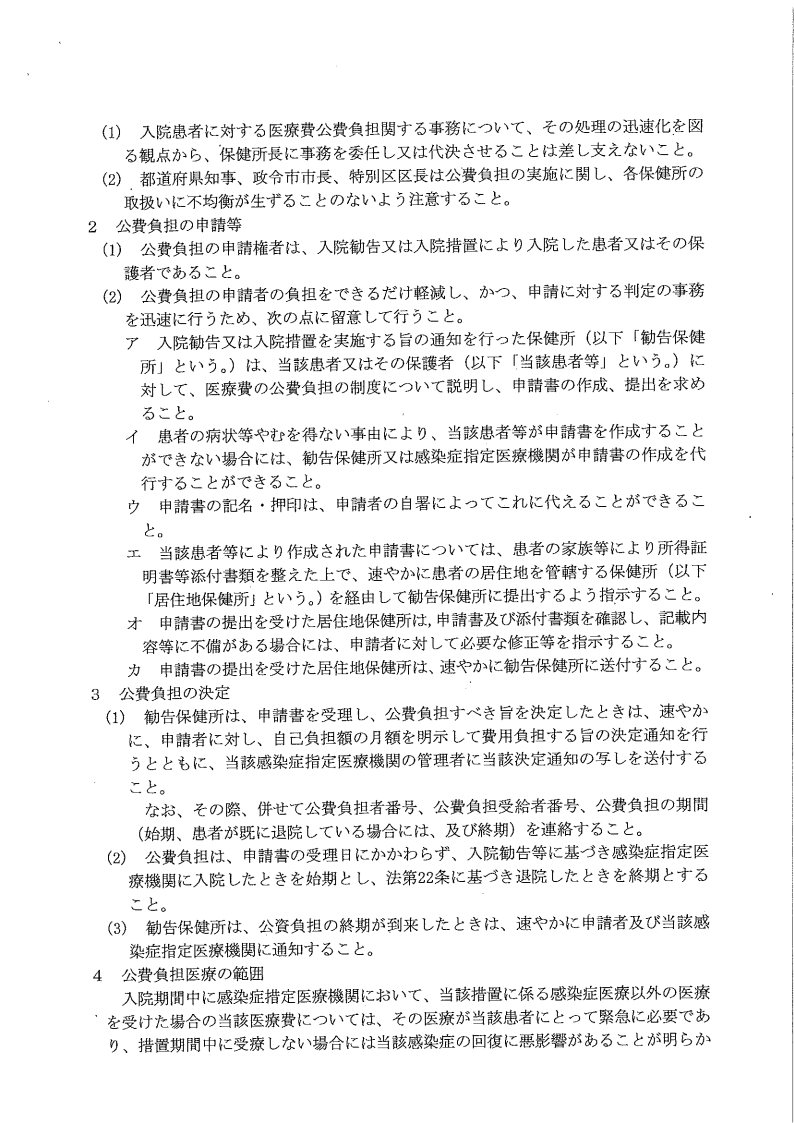
イ 患者の病状等やむを得ない事由により、当該患者等が申請書を作成することができない場合には、勧告保健所又は感染症指定医療機関が申請書の作成を代行することができること。
{
  "id": "page:5/p5-i",
  "kind": "paragraph",
  "page": 5,
  "bbox": [0.148, 0.372, 0.899, 0.44],
  "section": [
    "…",
    "2 公費負担の申請等",
    "(2)",
    "イ"
  ],
  "text": "イ 患者の病状等やむを得ない事由により、当該患者等が申請書を作成することができない場合には、勧告保健所又は感染症指定医療機関が申請書の作成を代行することができること。",
  "references": [
    {
      "text": "勧告保健所",
      "target": "p5-a"
    },
    {
      "text": "当該患者等",
      "target": "p5-a"
    }
  ],
  "provenance": {
    "reader": "generic-ocr",
    "device": "cpu",
    "ocr": {
      "lines": 3
    }
  }
}indx looks at every page before it reads it, then keeps the document's own shape in what it hands over.
PDF, Office, CSV, email, DXF drawings and scans, from a file share, S3 or a URL.
A cheap preflight picks the reader for each page: text layer, OCR or a drawing parser.
Lines are joined into paragraphs, cells into tables, shapes and connectors into diagrams.
Sections, defined terms, cross-references, entities and embeddings.
JSON with page, box, section and reader on every block, for search and agents.
Deployed into your AWS, Azure or Google Cloud account. No document leaves unless you switch on a hosted model.
Page, box, section and the reader that produced it, so an answer can always be checked on the page.
Text layers, OCR, drawings and embeddings run on CPU, with engineers alongside you from the first interview to rollout.
Bring a document. Hover the result.